CPA Midland AlternativeThe check landed smaller
Steven Palmieri, a Tax CFO and the Entrepreneur's CFO, reads the short deposit first. The crew's pay stays with the provider already running it. October can still change what the return says.
Talk about the books.
The statement beside that deposit is where we start.
Tell us about the deposit.
Dallas is where this practice sits. Owners here meet us on video, the books stay shared, and the close lands on one day each month.

You will be talking to the Steven Palmieri practice.
Close the month.
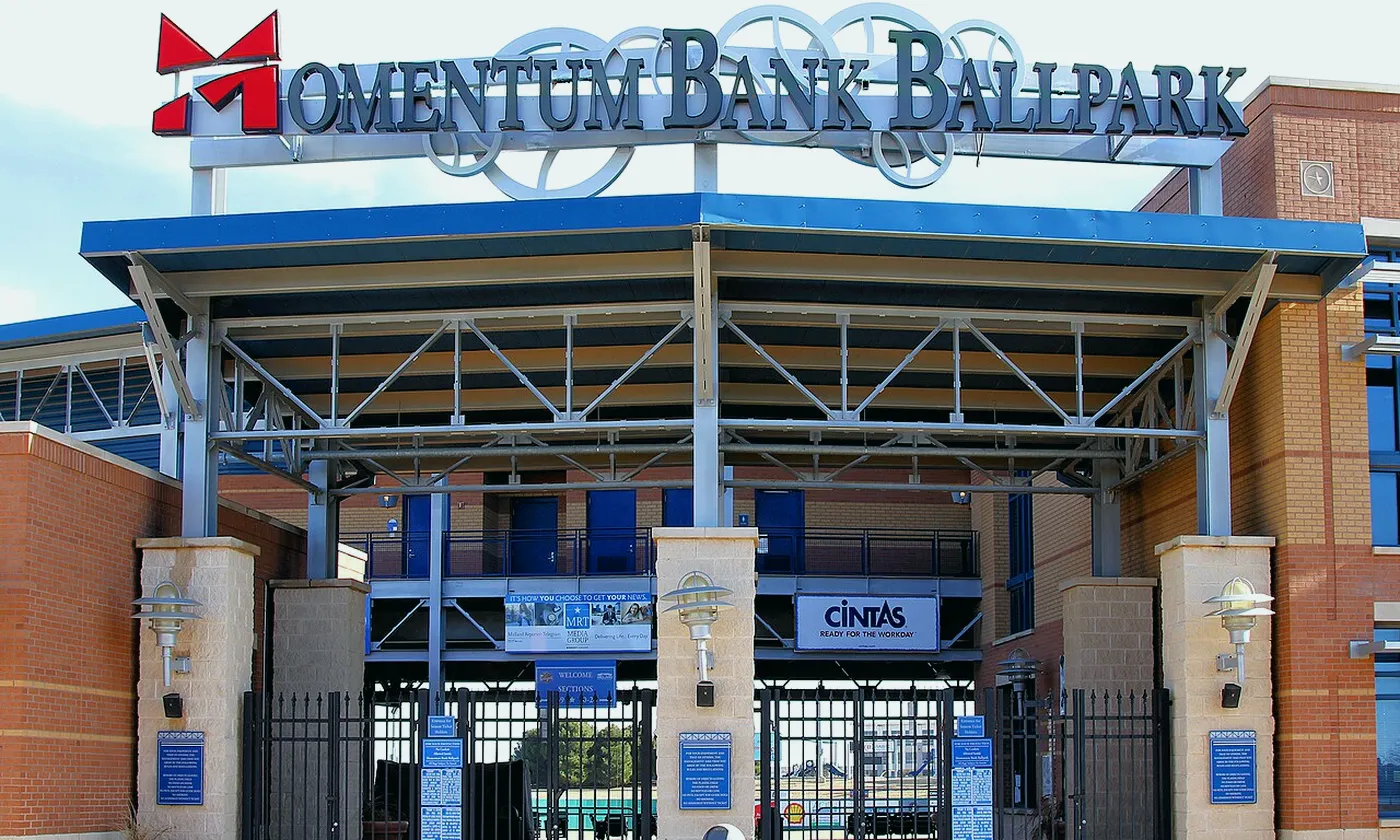
Every Texan knows the feeling of a Friday night when the RockHounds take the field at Momentum Bank Ballpark. We feel that pull in Dallas too, and the deposit that landed the same afternoon still has to sit in the month the bank shows.
Click to see the close ›Tap to see the close ›
Write the return.
The return is those closed months added together. We do not start from a March pile.
Click to see the return ›Tap to see the return ›
The city tax rate.
Every Texan can picture a Saturday at the county library on the plaza, the one people still give directions by. That room is not ours to claim. A late notice from the same week still has to match the month it belongs to.
Click to see the city rate ›Tap to see the city rate ›
Plain questions.
Is the month open. Who runs payday. Who writes the return.
Click to read the questions ›Tap to read the questions ›
School and sales tax.
Sales tax and the school rate land in the same year. We keep both on one calendar.
Click to see the rates ›Tap to see the rates ›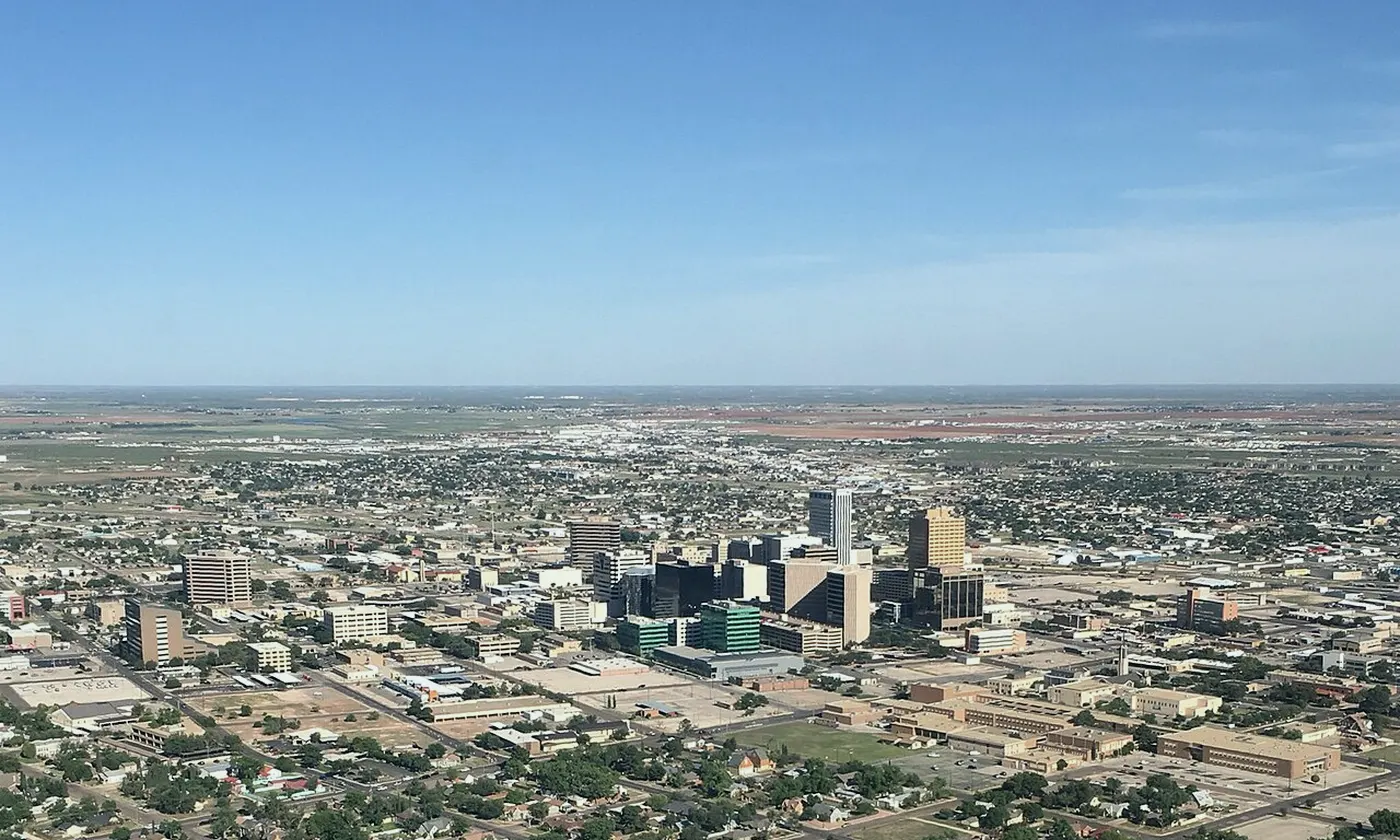
The tax already taken.
Every Texan can feel how ranchers and oil shaped this city. We share that as Texans, and we ask what the purchaser already withheld before the deposit hit.
Click to see the production tax ›Tap to see the production tax ›Every Texan knows this part of the state gets about thirteen and a half inches of rain, mostly in summer. We plan the close around that stretch, because a rained out week piles deposits up without a name.
Six dates around a Basin year.
Open a month. The work for that date sits beside it.
1January
Sales tax for December is due on the 20th, and a winter royalty deposit often lands while the prior month is still open.
We match the deposit to the statement before we call December closed.
2April
Most business property is rendered by the 15th. Equipment the Railroad Commission regulates is on a later April date.
We ask which calendar the yard is actually on before a rendition goes out.
3May
May's filing is the franchise report, in by the 15th, and report years 2026 and 2027 carry a no tax due line of 2,650,000 dollars.
We read the margin from the closed year, not from a guess in the group chat.
4July
Summer is when a little rain can stop a crew, and unnamed deposits stack up in the same week.
We keep those deposits in the month the bank shows, even if the yard was quiet.
5September
The estimate for the year should already be a number you recognize, not a surprise held for spring.
We build that figure from the months already closed.
6October
October is still early enough to ask what the year is doing before another drilling season starts.
We use that month to name what can still change and what is already locked.
Steven Palmieri is Tax CFO on the net deposit, the Entrepreneur's CFO. Payroll setup and the return stay here.
Meet the practice.What the smaller deposit actually is.
Read this part
A statement from a purchaser shows gross production, then the tax the purchaser already paid, then the net that reached the bank. On crude that tax is 4.6 percent of market value, paid by the first purchaser, and the report follows on the 25th of the next month. The owner looking at the statement is looking at numbers that were already netted.
That net figure is the one the books have to hold. If the deposit is recorded at the gross, the month is wrong even when the bank looks fine. If the tax is left off, the year will not tie when the return is built. We write the three lines as labels, gross, tax, and net, and we leave your amounts off any example on this site.
Depletion is a question the file can answer later. This page will not promise a depletion result, and we will not invent one from a barrel count we do not have. The first job is the month the check arrived.
What a closed month looks like.
Read this part
A closed month is a month where the bank, the statement, and the books tell the same story. Open items are named. A deposit that arrived on the second is not shoved into the prior month to make a chart look smoother. A bill that belongs to the work already done is not left in a pile for March.
We read the bank feed against the statement, and we do not call the month done while a suspense account still holds a number nobody can explain. The past gets cleaned up that way. What we are closing now is this month, on a date you can put a finger on. Still ahead is the return, and the choices that remain open before December.
Payday setup means the provider already paying your crew. We handle the registrations and the account map. The paydays themselves stay with that provider.
The first month with us.
Read this part
The first month is usually the one that is still open, not a speech about the whole year. You send access to the bank and to the file, the last month you trust, and the question that made you call. We say whether the open months need to be closed before any other work, or whether the honest answer is that you do not need us yet.
Price follows that shape. A year that is already closed and a year that is nine months behind are not the same job, so we do not print an average. The quote names the scope. If the quote left a month or a notice out, that piece is priced in the same conversation, before it starts.
We do not keep a room in this city. The calendar is how we meet, and the close still lands on the day you pick.
Tell us where the year stands.
You will be talking to the Steven Palmieri practice.